

Pricing Homes with Acreage in Grass Valley, CA
Real Estate, Home Pricing, Grass Valley Real Estate
How to Price a Home with Acreage in Grass Valley, CA
Pricing a home with acreage in Grass Valley, CA is more complex than plugging numbers into an online estimator. Between sloping terrain, well and septic systems, fire risk, and California’s shifting home market, getting Acreage Valuation right requires a local, land‑savvy strategy. This guide walks you through practical Home Pricing steps tailored to Grass Valley Real Estate in 2026.
Start with the Big Picture: The California Home Market in 2026
Any smart Home Pricing strategy begins with the wider California Home Market. Statewide, the median sale price for single‑family homes reached about $930,260 in May 2026, with price‑per‑square‑foot around $447, according to the California Association of Realtors. Grass Valley sits well below those numbers, which is part of its appeal for acreage buyers coming from the Bay Area, Sacramento, or coastal regions.
As of mid‑July 2026, multiple data sources paint a consistent picture of Grass Valley Real Estate:
Redfin reports a median sale price around $544,674 over the three months ending May 2026, up 3.7% year‑over‑year.
Zillow’s typical home value is about $520,196, with a slight 0.1% annual increase, reflecting a stable market.
Realtor.com shows a median listing price near $599,997 and a median sold price of $548,875 in June 2026, with homes selling at roughly 100% of list price in a balanced but active market.
For sellers of homes with acreage, this means buyers are willing to pay close to asking when properties are priced in line with recent sales and presented well. The opportunity is there, but overreaching on price can still lead to a stale listing, especially when land value is misunderstood.
Step One: Separate the House Value from the Land Value
When you’re dealing with acreage, Acreage Valuation and structure valuation are two related but distinct conversations. A 2,000‑square‑foot home on 1 acre will not be worth the same as that same home on 10 or 20 acres, but the difference is not simply “extra acres × flat rate.”
1. Estimate the Home’s Value Using Comparable Sales
Start with recent sales of similar homes in Grass Valley and greater Nevada County that have more typical lot sizes (for example, 0.5–2 acres). Adjust for:
Square footage and bedroom/bath count
Age and condition of the home (updated kitchen, roof age, windows, HVAC)
Style and appeal (single‑story ranch vs. custom craftsman, views, natural light)
This gives you a baseline “house‑only” value that reflects current Grass Valley Real Estate conditions, anchored near that $520K–$550K typical range but customized to your home’s features.
2. Assign Value to the First “Lifestyle Acre”
In many rural and semi‑rural markets, the first acre or so around the home carries a premium. This is the land buyers actually live on: driveways, patios, lawns, garden beds, and immediate views. It’s more valuable than raw, steep, or heavily wooded land further out on the parcel.
When reviewing comparable sales, look specifically at properties on 1–2 acres with similar home footprints and locations. The value difference between these and homes on small city lots helps you estimate the premium for that “lifestyle acre” in your Home Pricing.
Step Two: Understand How Extra Acres Are Really Valued
Beyond the first acre, Acreage Valuation becomes more nuanced. Buyers rarely pay full per‑acre market price for every additional acre on a residential property, especially when those acres are steep, rocky, or heavily forested. However, usable, gently sloping land with water access or agricultural potential can command strong premiums.
Key Land Pricing Tips for Grass Valley Sellers
Check zoning and highest and best use. Nevada County zoning (residential, agricultural, rural, commercial) determines what’s legally possible. Land that can be split, farmed, or developed may warrant a higher per‑acre value than purely recreational land.
Consider income potential. If the acreage is leased for grazing, orchards, vineyards, or other agricultural uses, an income‑based approach can support a higher valuation. The USDA reports national agricultural real estate values averaging around $4,350 per acre in 2025, but irrigated Sierra meadows and pasture can trend higher.
Use easement and conservation benchmarks as a floor. For northeast California meadows, 2026 conservation easement values range from about $880 per acre for dryland range to around $5,280 per acre for irrigated pasture. These figures often understate open‑market value, but they help you avoid pricing well below land’s intrinsic worth.
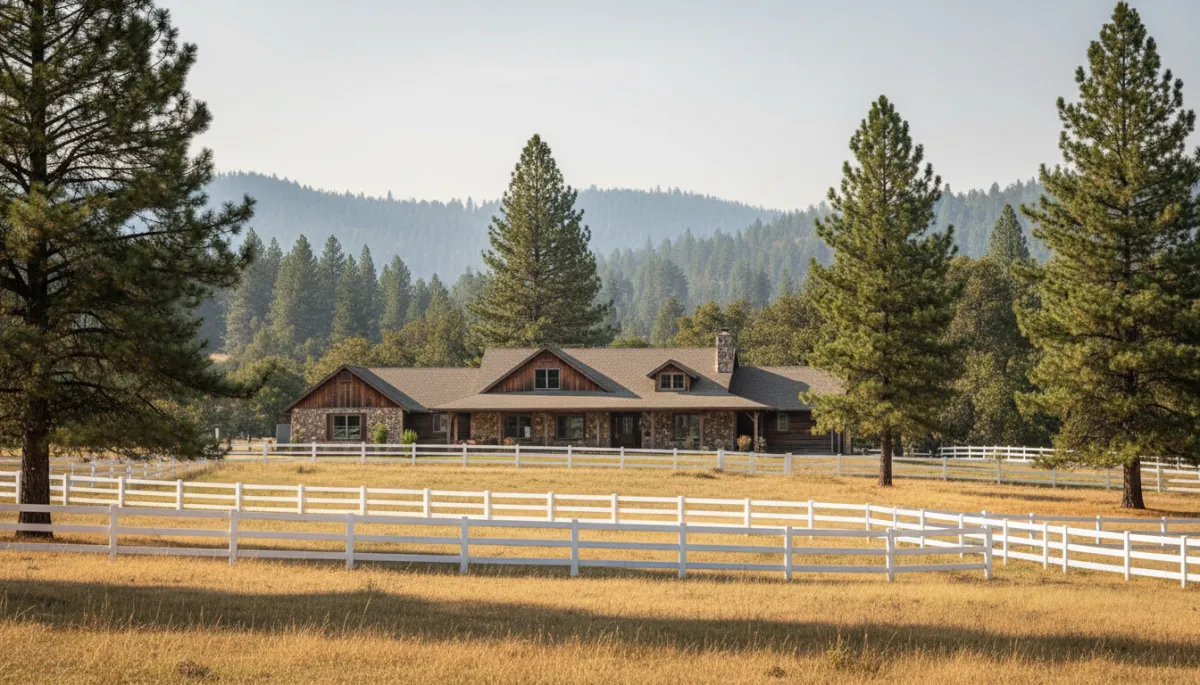
Usable pasture, fencing, and outbuildings can significantly boost perceived acreage value.
Why More Acres Don’t Always Mean a Linear Price Jump
Buyers seeking a 5‑acre lifestyle property may not pay proportionally more for 15 or 20 acres if the extra land doesn’t change how they live. Once privacy, views, and room for animals or hobbies are satisfied, additional acreage tends to be discounted unless it’s:
Flat and easily buildable for future homes or barns
Irrigated or suitable for productive agriculture
Timber‑producing or strategically valuable for subdivision (subject to zoning)
Effective Home Pricing in Grass Valley therefore means recognizing that the first few acres carry the most weight, while later acres may contribute incrementally less, unless they clearly support a higher and better use.
Step Three: Factor in Grass Valley–Specific Land Features
Not all acres are created equal. In the Sierra foothills, a careful Property Appraisal or comparative market analysis should account for features that strongly influence buyer perception and lender value.
Topography. Gentle, usable land is worth more than steep ravines or rocky slopes. Walk the property lines and note how much land a typical buyer can practically use for animals, gardening, or recreation.
Water sources. Wells, irrigation rights, ponds, and seasonal creeks can significantly enhance Acreage Valuation. In drought‑prone California, a strong, documented well yield is a major selling point.
Utilities and access. Paved vs. gravel roads, maintained easements, power availability, and high‑speed internet all affect Grass Valley Real Estate values. Remote parcels with difficult access may trade at a discount even if they include many acres.
Fire risk and defensible space. In a region where wildfire is a real concern, cleared defensible space, metal roofs, and fire‑wise landscaping can protect both safety and appraised value. Insurance availability and cost increasingly influence what buyers are willing to pay.
💡 Land Pricing Tip: Create a one‑page “land features” sheet for buyers, detailing well depth and production, septic permits, fencing, irrigation, and any agricultural or timber use. This can support a stronger asking price and smoother Property Appraisal.
Step Four: Use Professional Property Appraisal Strategically
For unique acreage properties, a professional Property Appraisal can be invaluable. Appraisers familiar with Grass Valley and Nevada County will typically blend three approaches:
Sales comparison: Adjusting recent sales of similar homes with similar acreage, location, and improvements.
Cost approach: Estimating the cost to rebuild the home and improvements, minus depreciation, then adding land value.
Income approach (when applicable): Capitalizing rental or agricultural income, particularly for larger ranches or multi‑unit properties.
While lender‑ordered appraisals are primarily for the buyer’s financing, commissioning your own pre‑listing appraisal can help you anchor your Home Pricing, especially if your property is unlike anything recently sold nearby. It also provides documentation you and your listing agent can reference when justifying price to buyers and their agents.
Step Five: Read the Local Data, Then Fine‑Tune Your Asking Price
With your house value, land value, and unique features in mind, it’s time to position your property within current Grass Valley Real Estate trends. Remember the 2026 snapshot:
Median listing price: around $600,000
Median sold price: roughly $545,000–$550,000
Sale‑to‑list ratio: near 100%, indicating a balanced yet competitive market
If your acreage home is clearly superior to the median—more square footage, updated systems, prime location, and truly usable land—you may reasonably price in the high $600Ks or beyond, depending on size and quality. If it needs cosmetic updates or includes mostly steep, inaccessible acreage, you might aim closer to the mid‑$500Ks even with extra land.
📌 Key Takeaway: In the current California Home Market, buyers are data‑savvy. A compelling asking price combines local market statistics, clear land value logic, and visible property preparation.
Final Checklist for Pricing Your Grass Valley Acreage Home
Confirm recent comps for both standard lots and acreage properties in Grass Valley and nearby Nevada County communities.
Separate house and land values, giving premium weight to the first, most usable acres.
Document land features like water, fencing, roads, utilities, and agricultural use to support your Acreage Valuation.
Consult professionals—a local agent experienced with acreage, and when appropriate, a licensed appraiser.
Align with current market data from sources like Redfin, Zillow, and Realtor.com, recognizing that Grass Valley remains more affordable than many California markets yet continues to appreciate steadily.
When you blend these Land Pricing Tips with an honest assessment of your home’s condition and a clear read on the California Home Market, you’re far more likely to land on a price that attracts qualified buyers quickly—without leaving money on the table. In a balanced, data‑rich market like Grass Valley in 2026, thoughtful pricing isn’t just helpful; it’s essential.